
Grated cocoyam rolled in its own leaves.
SW Cameroon ↔ Cross River and Akwa Ibom, Nigeria · on record since 1972
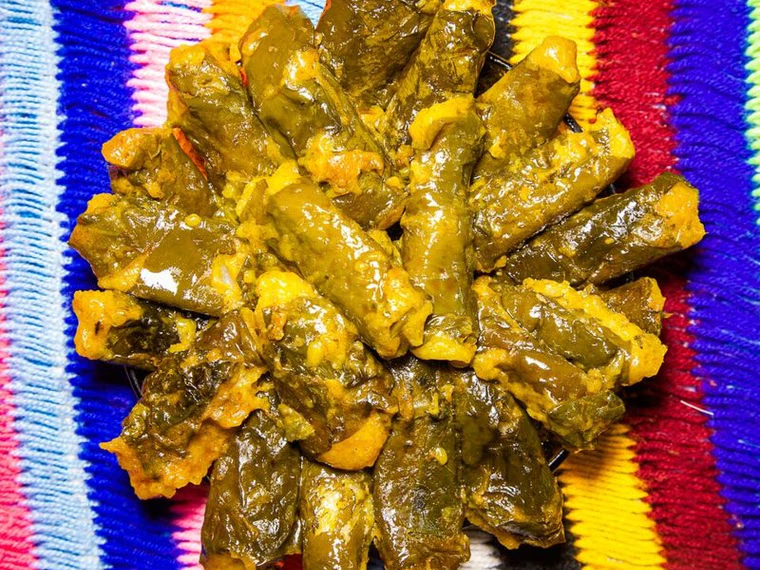 Photo MEKEM Z. Prosper · CC0 · Wikimedia Commons
- Dough
- Leaf-wrapped grated tuber
- Made with
- Freshly grated cocoyam rolled in cocoyam leaves
- Cooked
- Simmered
- Size
- MediumAn estimate, about 6 cm across: no source gives a measure yet.
- Note
- A borderline case: it stretches the definition of a dumpling.
Tastes of
- cocoyam
- palm oil
- smoked fish
- crayfish
- pepper
Field notes
Story
Dish shared across south-west Cameroon and Nigeria's Cross River and Akwa Ibom. Freshly grated cocoyam is rolled in cocoyam leaves and simmered in palm oil with smoked fish, meat, crayfish, periwinkle and pepper.
Did you know A 1972 Ibibio dictionary defines the dish as "cocoyam folded in leaves and boiled".
Make it
Ekwang (grated cocoyam rolled in cocoyam leaves)
- Makes
- one large pot
- Prep
- 90 min
- Cook
- 2 hours
- Level
- hard
- Fold
- leaf wrap
How to fold: Leaf wrap
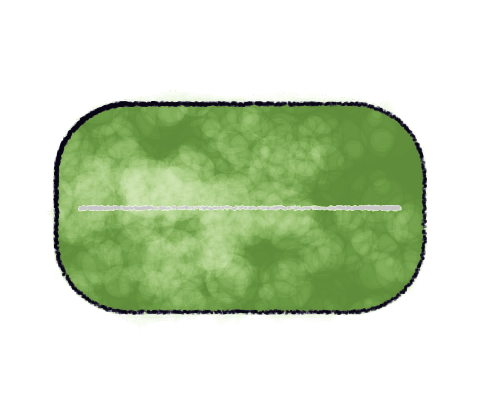
1 Lay out a softened leaf or husk
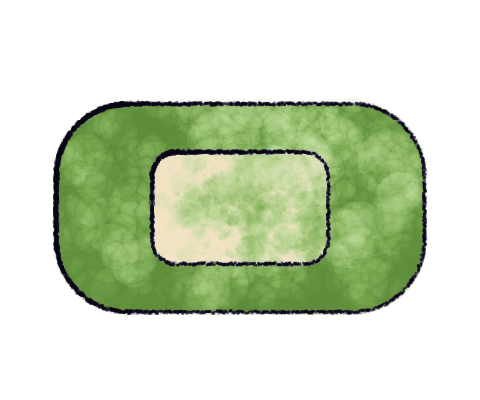
2 Spread the dough or batter in the middle
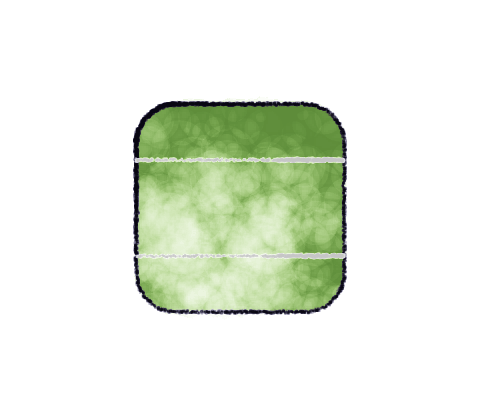
3 Fold in the long sides, then the ends
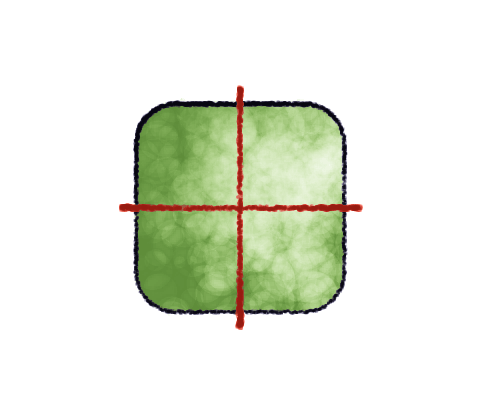
4 Tie the parcel and steam or boil it
Placeholder diagram. The atlas's illustrated fold animations will replace it.
Ingredients for 5
Rolls
Pot
Method
- Season the beef and cow skin with salt and pepper, cover with water and boil until nearly tender. Keep the broth hot.Timer 60 min
- Clean the smoked fish, removing heads and bones, and simmer it in the 1.5 litres of water. Add this liquid to the meat broth.Timer 10 min
- Peel and wash the cocoyams and grate them finely to a paste.
- Salt the paste and beat in a little water until it is smooth and even.
- Wash the cocoyam leaves, cut out the central ribs and cut the leaves into small squares.
- Coat the bottom and sides of a large heavy pot generously with some of the palm oil.
- Put a teaspoon of paste on a leaf square and roll it up tightly like a small cigar.
- Lay the rolls in the oiled pot as you go, repeating until all the paste is used.
- Set the pot over low heat and ladle in hot broth a little at a time, down the side.
- Add the onions, ginger, garlic and the rest of the palm oil, then cook gently without stirring.Timer 40 min
- Add the crayfish, the cooked meat and skin, and the fish. Season with the country onion, salt, pepper and chilli.
- Simmer, adding more broth as needed and shaking the pot gently rather than stirring so the rolls stay whole.Timer 20 min
- Rest for a few minutes, then serve hot.Timer 5 min
Sources
- Ekwang, Camerdish
- Ekpang Nkwukwo, AFN Snr Chef (Afrifood Network)
Where
From SW Cameroon ↔ Cross River and Akwa Ibom, Nigeria.
Evidence
Strong evidence
The oldest description we've found is in Elaine Kaufman's Ibibio dictionary of 1972: "cocoyam folded in leaves and boiled", and elsewhere "a dish of grated cocoyam steamed in leaves". We searched missionary and travel writing from the region dating back to 1858 and found no earlier mention by name. That's the earliest record we've reached, not when the dish began; its wider family of leaf-wrapped foods goes back much further.
Sources
- 1858-1937Earliest record
Negative checks: Hutchinson, Impressions of Western Africa (1858) and Ten Years' Wanderings among the Ethiopians (1861); Waddell, Twenty-nine Years in the West Indies and Central Africa (1863); Goldie, Calabar and its Mission (1890, 1901); Una, Efik…
- 1972
Under the cocoyam word: 'ékpdn ikpdn cocoyam folded in leaves and boiled (see kpdy)' [i.e. ékpaŋ íkpɔŋ; the OCR drops the tone marks and special letters]. Elsewhere the same noun is glossed from the verb 'fold' ('ékpan dkpakpa maize folded'; 'kpdyn…
- 2020-2023
Ekwang / ekpang nkukwo is described as grated cocoyam wrapped in cocoyam leaves; references are Precious Core (2020), African Vibes, TasteAtlas and Pulse Nigeria (2023). No historical statement.
The tagline and story are editorial; the facts trace to the research above. How we weigh evidence
Family H
Kin
More leaf-wrapped grain parcels (separate inventions)


