
Masa wrapped in husk since the Maya.
Mesoamerica · first recorded 100 BCE
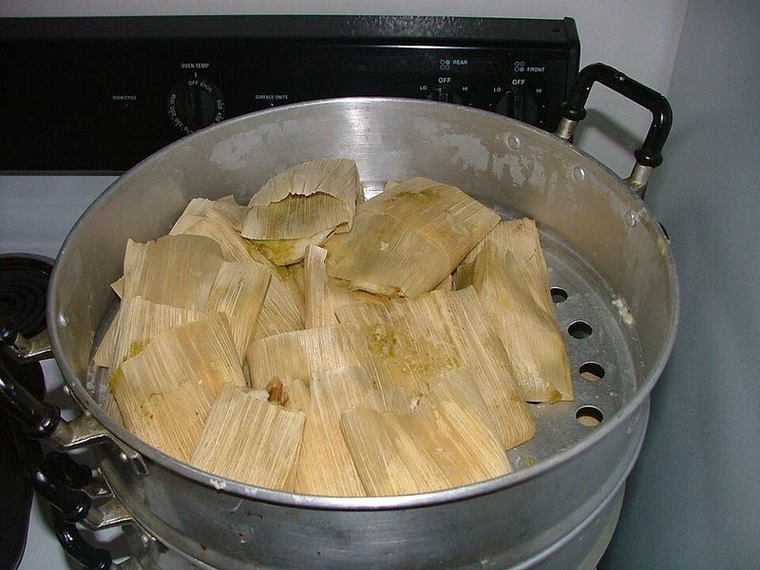 Photo Pixeltoo · Public domain · Wikimedia Commons
- Dough
- Maize doughNixtamalised masa + lard (post-contact) in corn husk or banana leaf
- Filling
- Chicken, pork, mole, rajas, beans, sweet
- Cooked
- Steamed
- Size
- LargeAn estimate, about 9 cm across: no source gives a measure yet.
- Note
- A borderline case: it stretches the definition of a dumpling.
Tastes of
- masa
- chicken
- mole
- salsa verde
Texture
- fluffy, moist
Field notes
Story
Nixtamalised corn masa steamed in husks or banana leaves, with fillings from mole to sweet corn. In one Maya mural scene at San Bartolo (c. 100 BC), tamales are offered to the rain god Chahk. Borderline dumpling.
- How to eat it
- Unwrap the husk (don't eat it).
- When
- Candelaria (2 Feb), Christmas, Día de Muertos.
History
8000–5000 BC claim unverified. In one San Bartolo scene (c. 100 BC) tamales are offered to the rain god Chahk (Archaeology, 2021). At Calakmul (c. 620–700) a woman offers tamales, captioned aj waaj, "tamale person" (Martin 2012). More than 500 types and 4,000 preparations in Mexico (Beatriz Ramírez Woolrich, UNAM) prabapilar.
Did you know Mexico has over 500 tamal types, according to UNAM researcher Beatriz Ramírez Woolrich.
Make it
Red chile pork tamales in corn husks (tamales rojos de puerco)
- Makes
- about 20 tamales
- Prep
- 2 hours
- Cook
- 2.5 hours
- Level
- medium
- Fold
- leaf wrap
How to fold: Leaf wrap
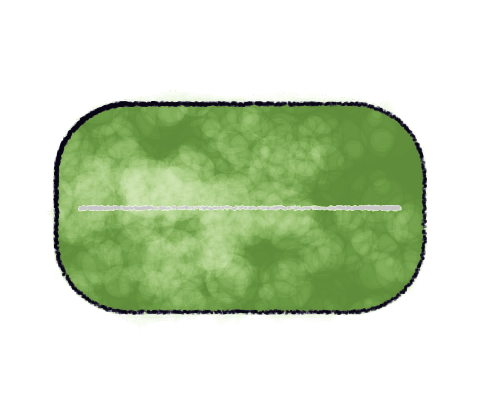
1 Lay out a softened leaf or husk
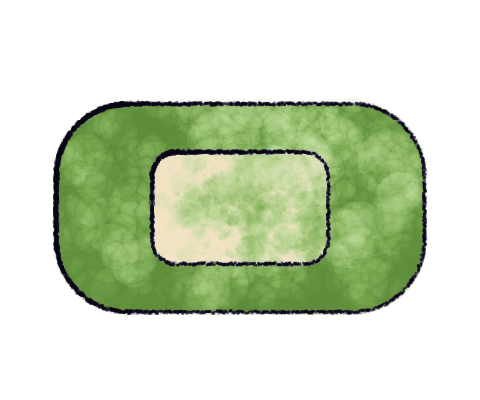
2 Spread the dough or batter in the middle
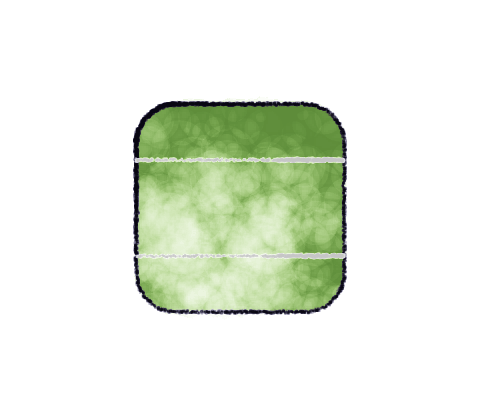
3 Fold in the long sides, then the ends
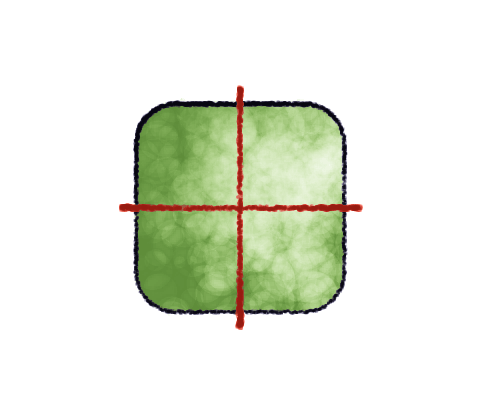
4 Tie the parcel and steam or boil it
Placeholder diagram. The atlas's illustrated fold animations will replace it.
Ingredients for 6
Wrappers
Filling
Masa
Method
- Cover the corn husks with hot water, weigh them down with a plate and soak until pliable.Timer 60 min
- Put the pork in a pot with the onion, 2 garlic cloves, bay leaf, 1 tsp salt and water to cover. Simmer, partly covered, until tender.Timer 75 min
- Meanwhile, toast the chiles briefly in a dry pan, a few seconds a side, until fragrant but not burnt.
- Soak the toasted chiles in hot water until soft.Timer 15 min
- Drain the chiles and blend them with 3 garlic cloves, cumin, oregano, pepper and about 300 ml of the pork broth until smooth. Strain.
- Lift out the pork, keeping the broth, and shred it with two forks.
- Fry the sauce in a spoonful of lard for a few minutes, add the shredded pork and simmer until thick and clinging. Season with salt and set aside a few spoonfuls of sauce for the masa.Timer 15 min
- Beat the lard with the baking powder and salt until white and fluffy.Timer 3 min
- Beat in the masa in three additions, then the reserved chile sauce, then enough warm broth to make a soft, spreadable batter. Keep beating until very light; a small blob should float in a glass of cold water.Timer 10 min
- Pat a husk dry. With the smooth side up and the wide end towards you, spread about 3 tbsp of masa in a thin layer over the wide half, leaving a border at the sides.
- Put about 1.5 tbsp of filling down the centre, fold the sides over so the masa wraps the filling, then fold the narrow tail up underneath. Tie with a thin strip of husk if you like.
- Set a steamer basket over a few centimetres of water, line it with husks and stand the tamales upright, open end up, packed loosely together.
- Cover with more husks and a damp cloth, put on the lid and steam over steady heat, topping up with boiling water as needed.Timer 75 min
- Test one. When the masa comes away cleanly from the husk, they are done. If not, steam a little longer.
- Turn off the heat and let the tamales rest in the steamer so the masa firms up.Timer 15 min
Sources
- Red Chile Pork Tamales Steamed in Corn Husks, Rick Bayless
- Red Pork Tamales, Maggie Unzueta (Mamá Maggie's Kitchen)
- Tamales rojos rellenos de cerdo, la receta tradicional, Cocina Delirante
Where
From Mesoamerica. Popular in the Americas.
Pin · San Bartolo murals
Evidence
Reference works only
The oldest pictures are Maya wall paintings. In one scene of the San Bartolo murals, from around 100 BC, tamales are offered to the rain god Chahk; we know this from Zach Zorich's report in Archaeology magazine (2021), not yet from the excavators' own publication. At Calakmul, in the Chiik Nahb murals of about 620 to 700, a woman offers a platter of tamales under a caption that reads aj waaj, "tamale person": we have read this in Simon Martin's 2012 study of the murals' inscriptions. The often-repeated claim that tamales go back to 8000 or 5000 BC is unverified.
Sources
- 8000 BCE

Unwrapping the full history of tamales
Popular claim that tamales date to 8000–5000 BC. It predates fully domesticated maize and is unverified.
Not yet checked against the original
- 100 BCE
Piecing Together Maya Creation Stories (Archaeology, November/December 2021)
In one San Bartolo scene (c. 100 BC by radiocarbon; first dated c. AD 100 on style), tamales are offered to the rain god Chahk, seated on a temple platform; Heather Hurst suggests the offering hand may belong to the Maize God's wife.
Confirmed by web search; not yet read in full
- c. 620–700
Calakmul, Chiik Nahb Sub 1-4 murals, which Martin places 'between 620 and 700' (p. 62): in scene SE-S2 a woman offers a platter of small breads (tamales) to a man who takes one to his mouth, and the caption reads AJ wa-WAAJ-ji, aj waaj, 'tamale…
- c. 1575–1577
tamalli (Online Nahuatl Dictionary)
The Florentine Codex (Sahagún, 1570s) names many kinds of tamalli and has a chapter on the tamale sellers of Mexico-Tenochtitlan (Book 10); dictionary entry with the Nahuatl passages.
Confirmed by web search; not yet read in full
- 2024
Article in the 'Tamales Mayas' issue of Maya America (Kennesaw State University, 2024) tracing tamales in Maya art and writing, from San Bartolo (c. 1st century BCE) to Chiik Nahb Substructure I-4 (c. 650–700 CE: this article's range; Martin 2012…
Confirmed by web search; not yet read in full
The tagline and story are editorial; the facts trace to the research above. How we weigh evidence
Family H
Kin
More leaf-wrapped grain parcels (separate inventions)


Compare
