← Map · China: Cantonese and dim sum
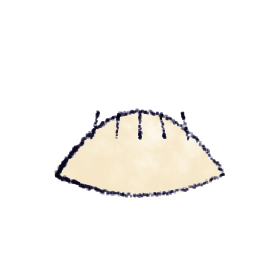
Har gow
蝦餃hā gáau (Jyutping haa1 gaau2)say har GOW
Translucent pleats that test the chef.
SSecondary consensusFamily A · East Asian wheat-wrapper
About
The benchmark of Cantonese dim sum: whole shrimp and bamboo shoot inside a skin so thin you can see the pink through it. Reported as first made in the 1920s at a teahouse in Wufeng village, Guangzhou, with a thicker flour skin; the translucent wheat-starch skin came later.
Tastes of
- sweet shrimp
- bamboo shoot
- sesame oil
Texture
- glassy, bouncy skin
- snappy shrimp
How to eat it
Eat straight from the steamer basket, with or without a little chilli sauce.
When
Yum cha (morning tea).
Did you know A well-made har gow is said to have at least seven, ideally ten or more, pleats.
History
Early 20th c. Guangzhou origin (G)
Sources
- SFirst har gow made in the 1920s at Yizhen teahouse (怡珍茶楼) on the riverbank of Wufeng village (五凤村), today Haizhu District, Guangzhou, using river shrimp; originally sold as 五凤鲜虾饺. Founder said to descend from the Thirteen Hongs merchant Wu Bingjian (Howqua). Haizhu listed har-gow making as district ICH after a 2015 survey. (1920s). 虾饺之“雪白”“嫣红”大比拼, Guangzhou Daily, via Shenzhen News (sznews.com), 2020-10-09
- S虾饺制作技艺 is entry 24, Traditional crafts, 4th batch of the Haizhu District ICH list (list as of July 2023). No origin text in the list. (4th batch (c. 2015–2016)). 海珠区非物质文化遗产代表性项目名录, Haizhu District Culture, Radio, TV, Tourism and Sports Bureau (haizhu.gov.cn)
- SSame Wufeng/Yizhen origin, 'Understanding Guangzhou: Fengyang, part 5' (Haizhu district media). Cited by en.wikipedia; server refused connection. (2022-04-02 (article)). 读懂广州 走进凤阳之五丨老广钟爱的虾饺,发源地就在五凤村!, Haizhu district news site (haizhu.wsqejt.com)
- SPopular retelling: early skin was thick wheat flour; dim sum chefs later switched to wheat starch (澄粉), giving the translucent skin.. 虾饺的由来 (Sina, repost; weak), Sina (k.sina.cn)
Found by research and reviewed, October 2026.
Where
- OriginGuangzhou · Lingnan · city · Cantonese
Related
The tagline and story are editorial; facts trace to the atlas research. History sources are from the atlas and not yet independently checked.
Family A