
Thin-skinned wontons floating in broth.
China · first recorded 550 CE
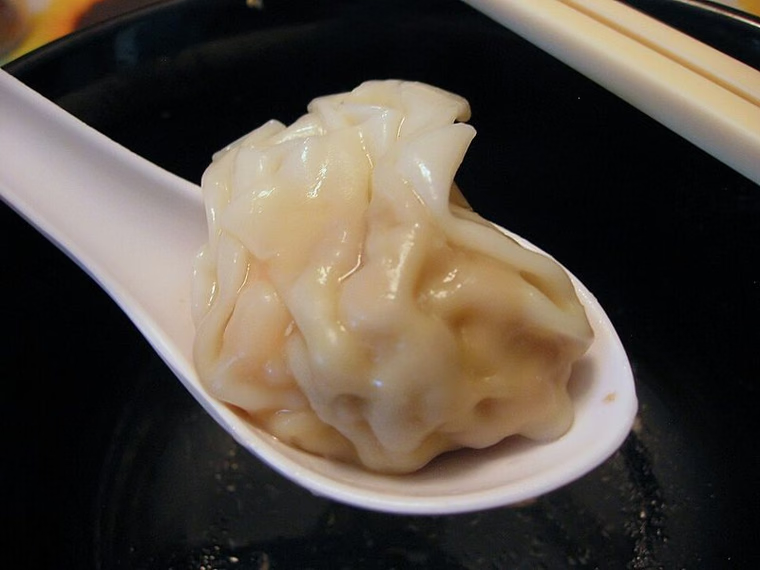 Photo Oldie~commonswiki · CC BY-SA 3.0 · Wikimedia Commons
- Wrapper
- Wheat doughThin square egg-wheat skin
- Filling
- Pork, shrimp
- Cooked
- Boiled, in soup
- Size
- SmallAn estimate, about 4 cm across: no source gives a measure yet.
Tastes of
- pork
- shrimp
- clear broth
- spring onion
Texture
- silky, trailing skin
Field notes
Story
Thin square wrappers folded loosely around pork or shrimp and served in broth. Tang-dynasty wontons were excavated at Turpan alongside jiaozi.
- How to eat it
- Spoon up with broth and noodles; the frilly skin should slip down easily.
- When
- Everyday; Winter Solstice in Jiangnan.
History
Yan Zhitui (531–c. 591) describes huntun "shaped like a crescent moon and eaten everywhere" (550–577, quoted in the Tang Beihu lu). Tang wontons excavated at Turpan.
Did you know Sichuan calls them chaoshou, "folded hands"; Fujian calls them bianshi.
Make it
Pork hundun (wontons) in clear soup
- Makes
- about 40 wontons
- Prep
- 45 min
- Cook
- 10 min
- Level
- easy
- Fold
- ingot
How to fold: Crescent pleat
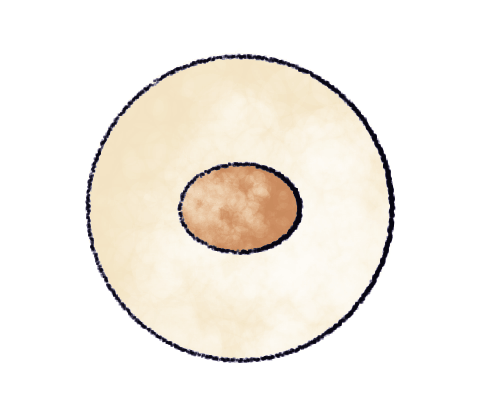
1 Filling in the middle of the round
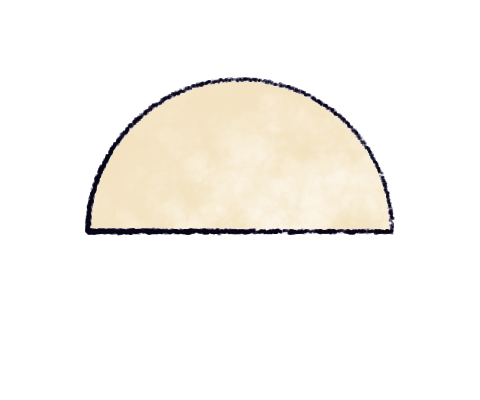
2 Fold in half and pinch the centre shut
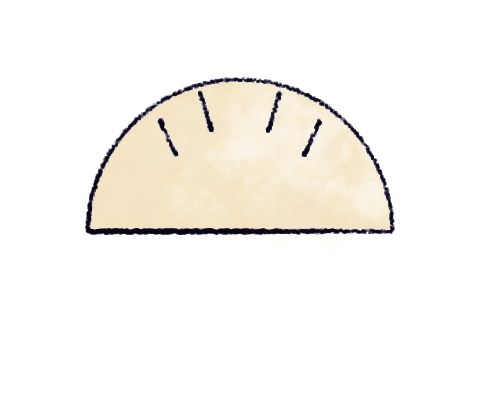
3 Make small pleats on the front edge only
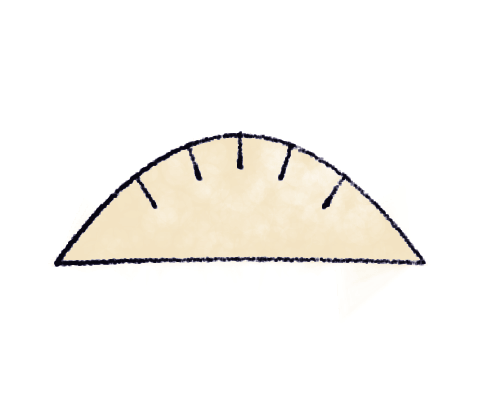
4 The pleats curve it into a crescent
Placeholder diagram. The atlas's illustrated fold animations will replace it.
Ingredients for 4
Filling
Wrappers
Soup (per bowl)
To serve
Method
- Put the pork, ginger, rice wine, soy sauce, salt, sugar and pepper in a bowl.
- Stir hard in one direction, adding the water a spoonful at a time, until the mixture is sticky and springy (about 5 minutes).Timer 5 min
- Fold in the spring onion and sesame oil.
- Put a small teaspoon of filling in the middle of a wrapper and wet the edges with water.
- Fold into a triangle and press the edges flat to seal, pushing out the air.
- Bring the two long corners together under the filling, dab with water and press to make an ingot shape. Repeat with the rest.
- Divide the soup seasonings (not the stock) between four bowls.
- Boil the wontons in plenty of water, stirring once, until they float, then 1–2 minutes more.Timer 4 min
- Pour hot stock or cooking water into each bowl, add the wontons with a slotted spoon and serve, with chilli oil if you like.
Sources
- Shanghai Wonton Soup (上海大馄饨), Maggie Zhu (Omnivore's Cookbook)
- Cantonese Wonton Noodle Soup, The Woks of Life (Leung family)
- Shortcut Wonton Soup Base, The Woks of Life (Leung family)
Where
From China. Popular in global.
- OriginChina · Han
Evidence
Strong evidence
The earliest written record is a line by the scholar Yan Zhitui (531–c. 591), quoted in the Tang Beihu lu: the huntun of his day were "shaped like a crescent moon and eaten everywhere" (今之馄饨,形如偃月,天下通食也), written between 550 and 577. The physical proof comes later: wontons excavated at Turpan, dated to the Tang dynasty (618–907). Food that survives as an object is the strongest evidence there is. Both show the wonton existed by then, though not when it began.
Sources
- 550–577Earliest record

北户录 (Beihu lu), 食目 section, commentary note (注), quoting Yan Zhitui (juan 2 per the atlas; juan number not verified)
Yan Zhitui, as quoted in the commentary note (注) to the 食目 (food list) section of Duan Gonglu's Beihu lu (北户录), not in his own Yanshi jiaxun (颜氏家训): “今之餛飩,形如偃月,天下通食也”
Confirmed by web search; not yet read in full
- 550–577

Chinese press articles quoting Yan Zhitui on huntun
The same line ('today's huntun are shaped like a crescent moon and eaten everywhere') is quoted in Chinese press as Yan Zhitui's, sometimes wrongly credited to his Yanshi jiaxun (it is in the commentary note to the Beihu lu's 食目 section, as a…
Confirmed by web search; not yet read in full
- 618–907

Several hundun (馄饨) of wheat dough, about 3 cm long and 1.9 cm wide, were excavated in 1959 from the Tang tombs at Astana, Turpan, alongside larger crescent jiaozi of about 5 cm; the article calls them the oldest surviving wontons.
Confirmed by web search; not yet read in full
- 2024
Astana Tang tombs foods (Tianshan Net English)
Tianshan Net feature listing the foods excavated from the Astana Tang tombs at Turpan: pasta of various kinds, mooncakes with Baoxiang figures, wontons, fancy pastries and dumplings.
Confirmed by web search; not yet read in full
- Undated
Reference summary of the Astana cemetery near Turpan: burials of Gaochang's settlers from the 4th to the early 8th century, more than 1,000 tombs, with preserved food among the finds.
Confirmed by web search; not yet read in full
The tagline and story are editorial; the facts trace to the research above. How we weigh evidence
Family A
Kin


Compare
