A East Asian wheat-wrapper
Wheat dough folded in China, found in Tang tombs at Turpan as dumplings and wontons, and later carried across East and Southeast Asia and by the Chinese and Japanese diasporas.

How it travelled
Silk Road & Tang
A Archaeological or primary source
Han/Tang wheat corridor (Silk Road)
Chinese wheat dumplings and wontons were eaten at the western end of the Tang Hexi corridor by the 6th–8th c.: the Astana tombs at Turpan yielded dumplings dated 499–640 AD made of bread wheat and foxtail millet (Chen et al. 2012) plus wontons. The anchor is archaeological (A); that the forms then moved further west along the corridor is inference, and the MANT- borrowing direction is contested.
Islamic & Mongol world
D Dated text
Mongol and Turkic conduits
Turkic and Mongol peoples carried the manti family across Eurasia. Dated texts anchor it: Kashgari's tutmāč (1072–77), Turkic dough-and-yoghurt dishes and mantou recipes at the Yuan court in the Yinshan zhengyao (1330), and Shirvani's 15th-c. Ottoman mantı (D). Korean mandu via Yuan contact (Goryeo song Ssanghwajeom) and Kayseri mantı via Tatar settlers are secondary consensus (S).
Empires & migration
S Secondary consensus
19th–20th-century migrations
Five strands. Chinese emigrants created diaspora dumplings from Manila to Mauritius and Melbourne (dim sim c. 1945, S). Japanese repatriates from Manchuria made gyoza a mass food after 1945, though it is recorded in Japan from 1708 (D). Italians (sorrentinos, toasted ravioli), Ashkenazi Jews (kreplach, kneidlach, knishes, pierogi) and Levantine Arabs (quibe, kibi) followed in the late 19th–20th c. Mostly S; the Japanese strand is D.
Silk Road & Tang220–907
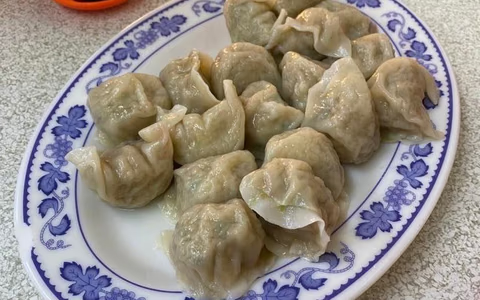 Silk Road & Tang · Henan centroidJiaozi饺子Crescent dumplings eaten at midnight on Chinese New Year’s Eve.A Archaeological or primary source · with recipe
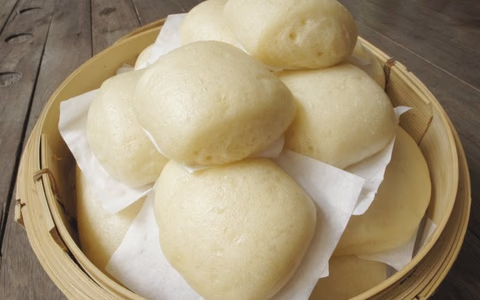 Silk Road & Tang · LuoyangMantou馒头The plain steamed bread of the north.D Dated text · with recipe
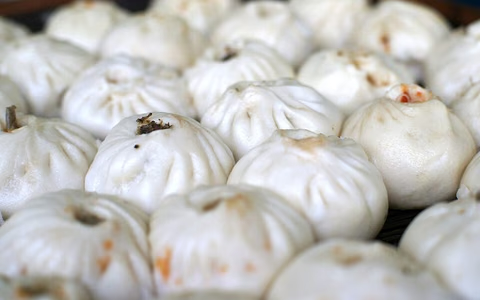 Silk Road & Tang · North China PlainBaozi包子The filled steamed bun.D Dated text · with recipe
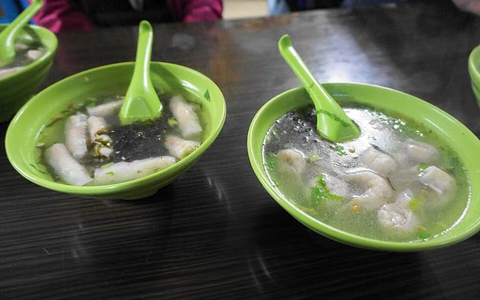
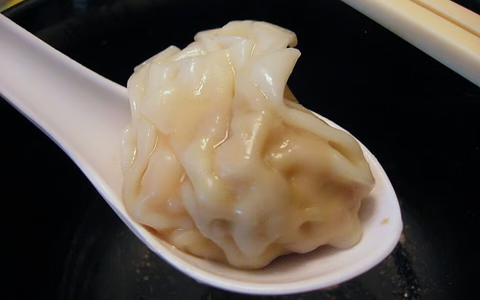 Silk Road & Tang · Astana CemeteryHundun馄饨Thin-skinned wontons floating in broth.A Archaeological or primary source · with recipe


Islamic & Mongol world900–1400

Renaissance & print1400–1700

Empires & migration1700–1900
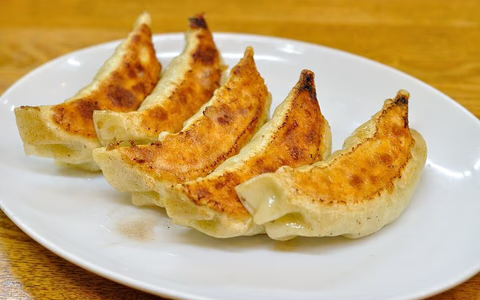 Empires & migration · MitoGyōza餃子Crisp-bottomed, garlicky, made for beer.D Dated text · with recipe
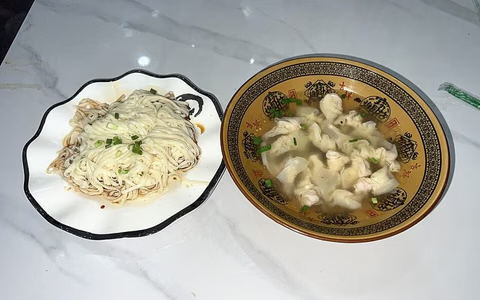 Empires & migration · FuzhouFuzhou bian rou扁肉Beaten pork in a paper-thin skin.D Dated text · with recipe
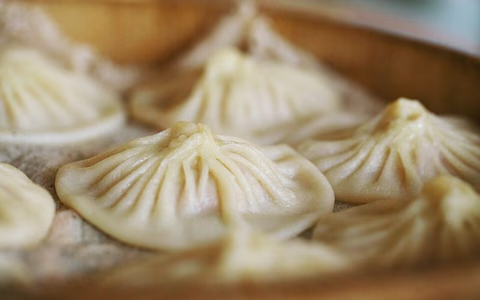
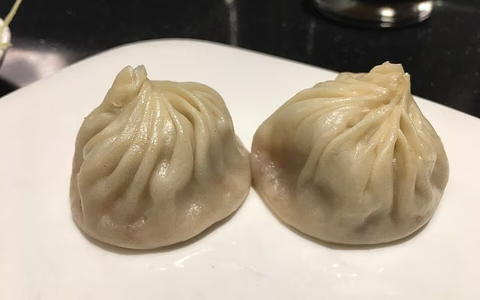 Empires & migration · NanxiangXiaolongbao小笼包A broth hidden in a pleated purse.D Dated text · with recipe


Modern & global1900–now
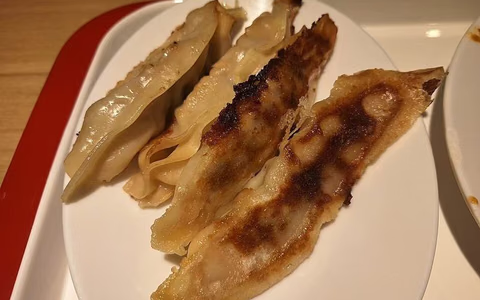 Modern & global · North ChinaGuotie锅贴Dumplings fried until they stick to the pan, then steamed.D Dated text · with recipe
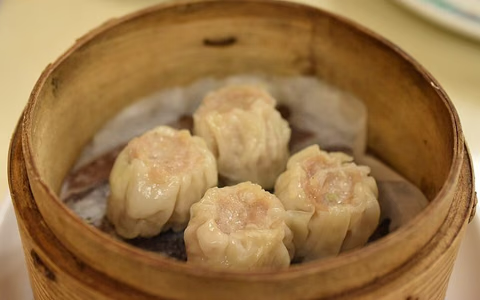 Modern & global · YokohamaShūmai焼売Pork-and-scallop shūmai, sold at Yokohama Station since 1928.S Secondary consensus · with recipe
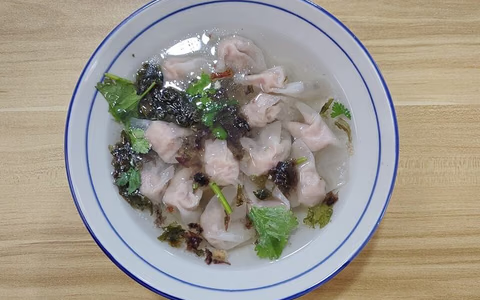 Modern & global · FuzhouFuzhou meat swallow扁肉燕Wontons whose wrapper is made of pounded pork.A Archaeological or primary source · with recipe
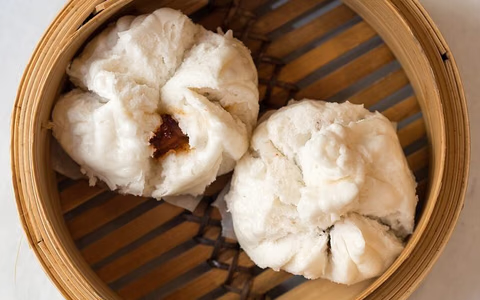 Modern & global · GuangdongChar siu bao叉燒包A fluffy bun bursting with barbecued pork.S Secondary consensus · with recipe
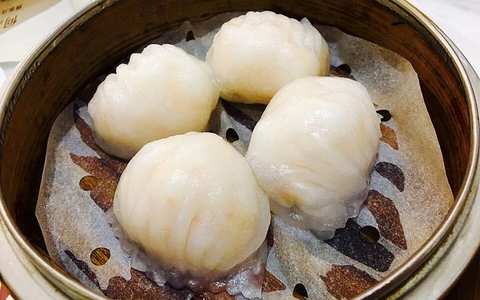 Modern & global · Wufeng villageHar gow蝦餃Whole shrimp in a pleated skin thin enough to see through.S Secondary consensus · with recipe
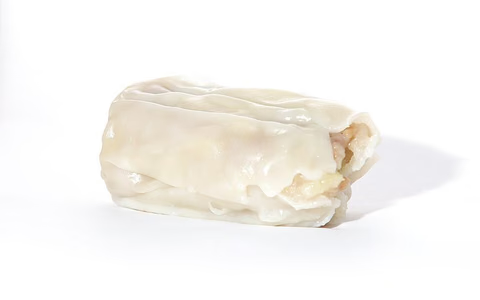 Modern & global · Melbourne ChinatownDim simMelbourne's fish-and-chip-shop dumpling.S Secondary consensus · with recipe
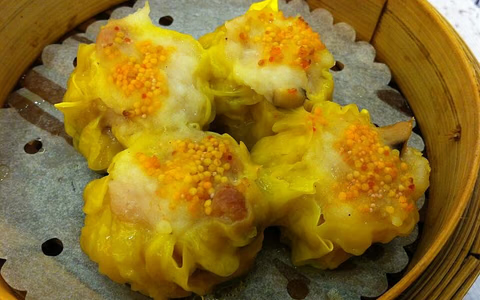 Modern & global · GuangdongSiu mai燒賣An open-topped flower of pork and shrimp.S Secondary consensus · with recipe
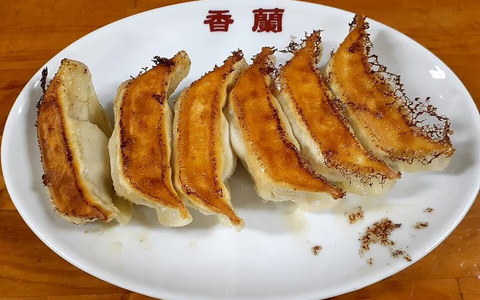 Modern & global · UtsunomiyaUtsunomiya gyōzaVegetable-heavy gyoza, three ways.S Secondary consensus · with recipe