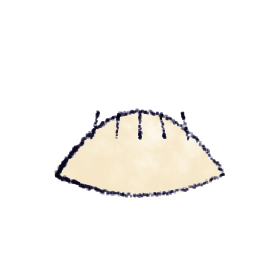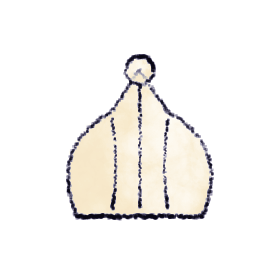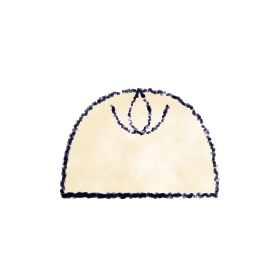
History
Jin-dynasty records; originally filled; Zhuge Liang legend
Where
- OriginNorth China · approximate · Han
Sources
This entry is drawn from the World Dumpling Atlas, §6.1, the project's source report. Its grade, D dated text, says how far that has been checked against a primary source. How grading works.
Related
Plain steamed mantou
Ingredients for 4
Dough
Method
- Stir the yeast and sugar into the water and leave 5 minutes. · timer 5 min
- Pour it into the flour and mix to a shaggy dough, then add the oil.
- Knead for 10 minutes until the dough is very smooth and elastic. Add a few drops of water only if it is too stiff to knead. · timer 10 min
- Cover and leave in a warm place until doubled, about 1 to 1½ hours. · timer 75 min
- Knock the dough back and knead again for 3–5 minutes to push out the air; this is what gives a fine, white crumb. · timer 5 min
- Roll into a log about 4 cm thick and cut 8 pieces with a sharp knife (or shape each into a smooth round).
- Set the buns on squares of baking paper in a steamer, well apart. Cover and leave until 1½ times their size, 20–30 minutes. · timer 25 min
- Put the steamer over cold water, bring to the boil on high heat, then lower to medium and steam 15 minutes. · timer 15 min
- Turn off the heat and wait 5 minutes before lifting the lid, so the buns don't collapse. · timer 5 min
Notes. Mantou are unfilled steamed wheat bread, the everyday staple of northern China; filled versions are called baozi in most of China (though Shanghai and Jiangnan still call filled buns mantou). Jin-dynasty writers already describe steamed wheat buns. Some recipes add baking powder for extra lift or milk for a softer, sweeter bun; older households use a piece of saved sourdough (laomian) instead of dried yeast, neutralised with a little lye water. Leftovers reheat by steaming for 5 minutes, or are sliced and fried.
Written for the atlas from several sources, cross-checked: Chinese Steamed Buns (Mantou Recipe), Elaine (China Sichuan Food); All-Purpose Chinese Steamed Bun Dough (Man Tou), The Woks of Life (Leung family). Not yet kitchen-tested.
History sources are from the atlas and not yet independently checked.
Family A