
A sweet pyramid in banana leaf.
Khmer, Cambodia · first recorded 1181
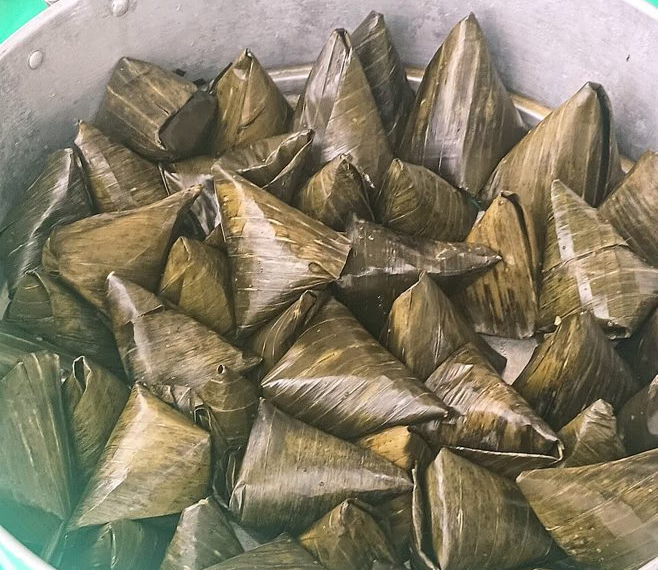
- Wrapper
- Rice or wheat doughFilled; sweet; pyramid in banana leaf
- Filling
- Glutinous rice flour; grated coconut, palm sugar, toasted sesame
- Cooked
- Steamed
- Size
- About 6 cm acrossA 5 cm dough ball closed round the filling and folded into a leaf pyramid is about 6 cm.
Tastes of
- coconut
- palm sugar
- toasted sesame
Texture
- sticky
Field notes
Story
Khmer dumpling of glutinous rice flour filled with grated coconut, palm sugar and toasted sesame, folded into a banana-leaf pyramid and steamed.
- When
- Khmer New Year, weddings and Pchum Ben.
Make it
Num kom (Khmer coconut and sesame rice cakes in banana leaf)
- Makes
- about 8 cakes
- Prep
- 45 min
- Cook
- 15 min
- Level
- medium
- Fold
- leaf wrap
How to fold: Leaf wrap
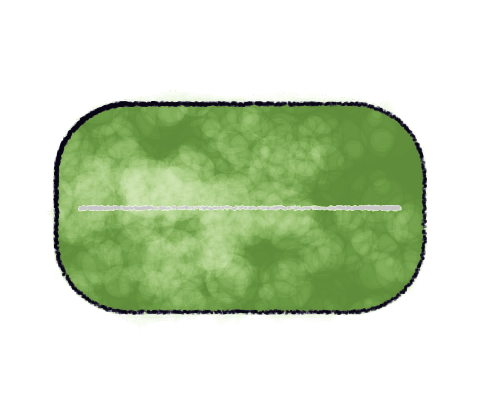
1 Lay out a softened leaf or husk
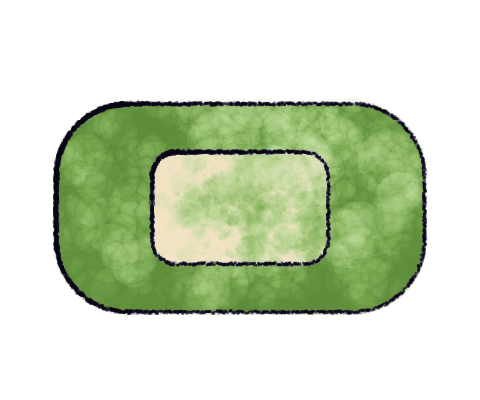
2 Spread the dough or batter in the middle
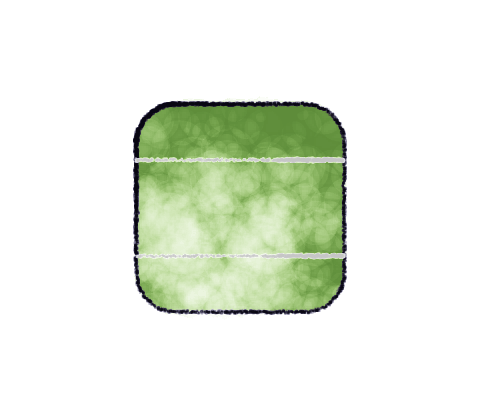
3 Fold in the long sides, then the ends

4 Tie the parcel and steam or boil it
Placeholder diagram. The atlas's illustrated fold animations will replace it.
Ingredients for 4
Filling
Dough
Wrapping
Method
- Toast the sesame seeds in a dry pan over low heat until fragrant and lightly coloured.Timer 3 min
- Take the pan off the heat and stir in the grated coconut and palm sugar until evenly mixed and sticky. Leave to cool.
- Mix the rice flour and salt, then add the warm water a little at a time, kneading to a soft dough that holds its shape without cracking.
- Wash the banana leaf pieces, wipe them dry and brush one side lightly with oil.
- Divide the dough into 8 balls about 5 cm across and keep them covered.
- Flatten a ball in your palm, put a spoonful of filling in the middle, gather the dough over it and roll it closed.
- Fold a leaf piece in half and then into a cone, oiled side inwards, so that it opens into a pocket.
- Drop the filled ball into the pocket and fold the open edge over to close the parcel into a pyramid.
- Line a steamer basket with spare banana leaf and stand the parcels in it, folded side down so they stay shut.
- Cover with more leaf and the lid, and steam over boiling water.Timer 15 min
- Leave to cool a little, then unwrap and eat warm or at room temperature.
Sources
- Num Kom-Sticky Rice Cakes with coconut filling/Khmer Kozhukkattai!, Dosaikal
- Num Kom, Nisha Ramesh (196 flavors)
- Gastronomy & Recipe of Cambodia : The succulent Num Kom, Cambodge Mag
Where
From Khmer, Cambodia.
Evidence
Reference works only
The Royal Academy of Cambodia says "some documents" link num kom to the reign of Jayavarman VII, from 1181 to 1218, but it doesn't name them and we haven't been able to check. A claim that it goes back further still, to the Funan period, comes from a blog. Both are stories rather than records, and for now the dish rests on modern reference works.
Sources
- 1181–1218

Reference summary citing historian Sambo Manara of the Royal Academy of Cambodia: 'some documents' link num kom offerings to the reign of Jayavarman VII (1181–1218); the documents are not named.
Confirmed by web search; not yet read in full
- Undated

196 flavors and others (as cited in the second-pass report)
A food blog repeats the Jayavarman VII offerings claim, and another blog speculates on a Funan-era origin; neither cites a text (from the second-pass report; not re-found in this pass).
Not yet checked against the original
The tagline and story are editorial; the facts trace to the research above. How we weigh evidence
Family G


