← Map · Korea
Mandu
만두mandusay MAHN-doo
Kimchi, tofu and pork, folded for the new year.
DDated textFamily B · Steppe / Silk Road manti
About
Korean dumplings, traditionally dated to Mongol-Yuan contact in the 14th century. They are eaten boiled (mul), steamed (jjin), fried (gun) or in manduguk soup.
Tastes of
- pork
- tofu
- kimchi
- glass noodles
Texture
- soft wrapper
- hearty filling
How to eat it
Dip in soy-vinegar sauce, or eat in beef broth with rice cakes.
When
Seollal (Lunar New Year).
Did you know The Goryeo song Ssanghwajeom, "The Dumpling Shop", describes a dumpling shop run by a foreigner.
History
Mongol/Yuan 14th-c. introduction; Ssanghwajeom song; first record in the Goryeosa
Where
- OriginKorea · Korea · country · Korean
Sources
This entry is drawn from the World Dumpling Atlas, §6.6, the project's source report. Its grade, D dated text, says how far that has been checked against a primary source. How grading works.
Related
Kimchi and pork mandu
How to fold: Half-moon

1 Roll a thin round of dough

2 Spoon the filling into the middle
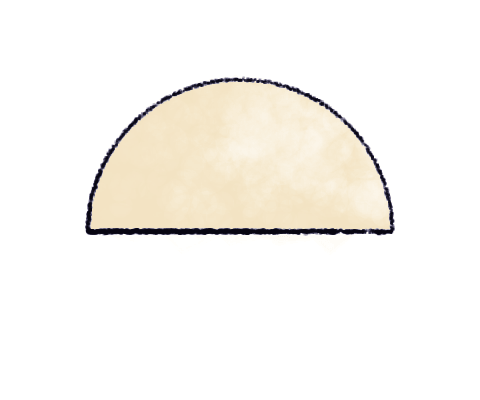
3 Fold it in half over the filling
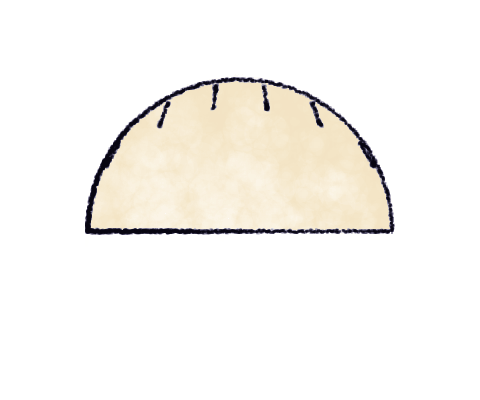
4 Press the edge firmly to seal it
Placeholder diagram. The atlas's illustrated fold animations will replace it.
Ingredients for 4
Wrappers
Filling
Dipping sauce
Method
- If making wrappers, mix the flour and salt with the water and knead about 8 minutes into a smooth, firm dough.
- Wrap the dough and let it rest. · timer 30 min
- Soak the dangmyeon in warm water until pliable. · timer 30 min
- Boil the soaked noodles until a strand snaps easily, drain, rinse cold and chop finely. · timer 5 min
- Blanch the bean sprouts in boiling water, cool, then squeeze dry and chop. · timer 1 min
- Wrap the tofu in a clean cloth, squeeze out as much water as you can, then crumble it.
- Chop the kimchi finely and squeeze out most of its juice.
- Mix the pork with the garlic, ginger, soy sauce, sesame oil, salt and pepper until sticky.
- Add the noodles, sprouts, tofu, kimchi, spring onions and egg and mix well. Taste a fried pinch and adjust salt.
- Roll the dough into a log, cut 40 pieces and roll each into a thin 9 cm round, keeping the rest covered.
- Put a heaped tablespoon of filling on a wrapper, wet the edge, fold into a half-moon and press out the air.
- For round mandu, bring the two corners of the half-moon together under the filling and pinch to join.
- Steam the mandu on an oiled or lined rack over boiling water until the wrappers turn glossy and translucent. · timer 10 min
- Mix the dipping sauce and serve hot.
Notes. Most Korean home cooks use bought wrappers; homemade ones are thicker and chewier. Mandu can also be boiled (3-4 minutes, until they float), pan-fried (gun-mandu) or simmered in beef broth for manduguk, the soup eaten at Seollal (Lunar New Year), when families make large batches together and freeze the surplus on trays before bagging; steam frozen mandu about 12 minutes. Sour, well-aged kimchi gives the best flavour. For gogi-mandu leave out the kimchi and double the meat; for a lighter northern style use more tofu and sprouts. The half-moon is the common shape; the joined, round shape is typical for soup.
Written for the atlas from several sources, cross-checked: Kimchi Mandu (Kimchi Dumplings), Hyosun Ro (Korean Bapsang); Kimchi Tofu Dumplings, Hyegyoung K. Ford (Beyond Kimchee). Not yet kitchen-tested.
The tagline and story are editorial; facts trace to the atlas research. History sources are from the atlas and not yet independently checked.
Family B