B Steppe / Silk Road manti
The MANT- names: manta, manti, mantı, mantu. Turkic and Mongol peoples carried them across Eurasia; the dated texts run from Kashgari in 1072 to the Yuan court's Yinshan zhengyao of 1330.

How it travelled
Silk Road & Tang
A Archaeological or primary source
Han/Tang wheat corridor (Silk Road)
Chinese wheat dumplings and wontons were eaten at the western end of the Tang Hexi corridor by the 6th–8th c.: the Astana tombs at Turpan yielded dumplings dated 499–640 AD made of bread wheat and foxtail millet (Chen et al. 2012) plus wontons. The anchor is archaeological (A); that the forms then moved further west along the corridor is inference, and the MANT- borrowing direction is contested.
Islamic & Mongol world
D Dated text
Mongol and Turkic conduits
Turkic and Mongol peoples carried the manti family across Eurasia. Dated texts anchor it: Kashgari's tutmāč (1072–77), Turkic dough-and-yoghurt dishes and mantou recipes at the Yuan court in the Yinshan zhengyao (1330), and Shirvani's 15th-c. Ottoman mantı (D). Korean mandu via Yuan contact (Goryeo song Ssanghwajeom) and Kayseri mantı via Tatar settlers are secondary consensus (S).
Modern & global
S Secondary consensus
Lhasa Newar trade
Lhasa-based Newar merchants, trading between Kathmandu and Lhasa over the Kyirong and Kuti passes, are credited with bringing Tibetan momo to Kathmandu and "Newarising" it with buffalo and spices; the first remembered Kathmandu momo shop is c. 1942 (Tuladhar). Oral history only (S); the reverse story via Princess Bhrikuti is legend. A second branch reached Darjeeling and Sikkim via the Kalimpong wool route.
Islamic & Mongol world900–1400
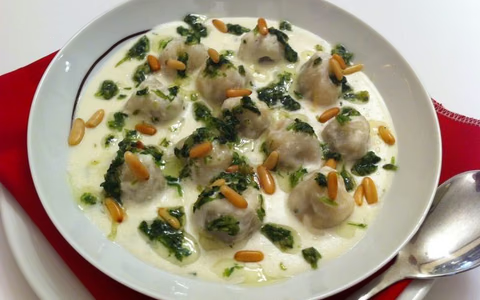 Islamic & Mongol world · DamascusShish barakشيش بركSmall meat dumplings cooked in warm yoghurt.D Dated text · with recipe
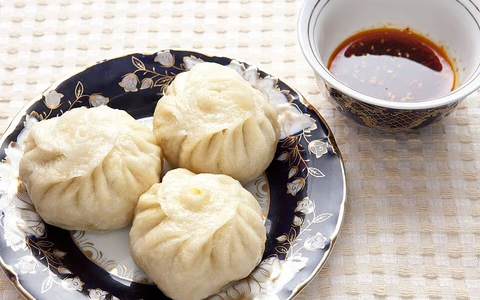 Islamic & Mongol world · KashgarUyghur mantaمانتاThin-skinned lamb and pumpkin, steamed.D Dated text · with recipe
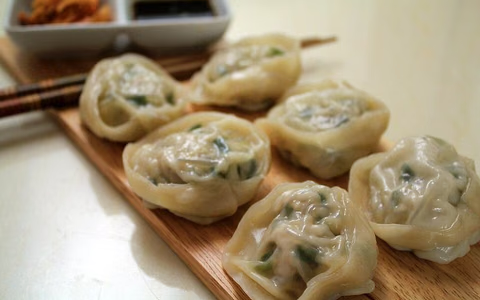 Islamic & Mongol world · KaesongMandu만두Kimchi, tofu and pork, folded for the new year.D Dated text · with recipe


Renaissance & print1400–1700
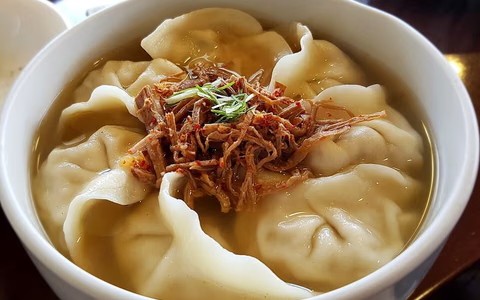

Empires & migration1700–1900
- Empires & migration · KabardaCircassian x'inch'elDough squares under smoked meat and garlic.D Dated text · with recipe
- Empires & migration · CrimeaCrimean Tatar tabaq börekSmall meat dumplings, served on a plate or in soup.D Dated text
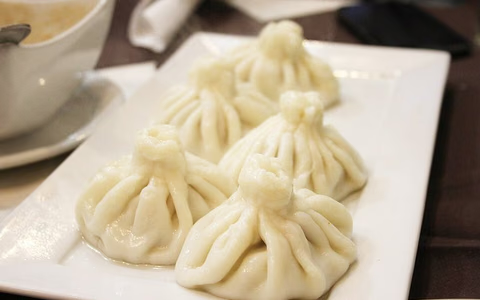 Empires & migration · Pshavi / Khevsureti highlandsKhinkaliხინკალიTwisted topknots full of spiced broth.D Dated text · with recipe
- Empires & migration · ChuvashiaChuvash shchamakhThe dumplings in a Chuvash soup.A Archaeological or primary source · with recipe
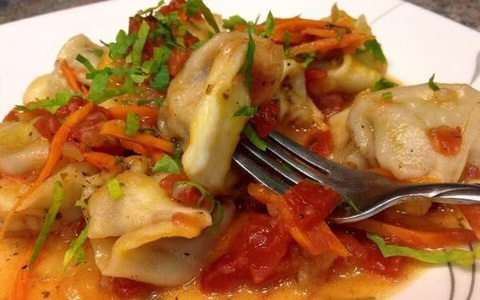 Empires & migration · MawarannahrChuchvaraчучвараTiny Silk Road dumplings in broth.S Secondary consensus · with recipe
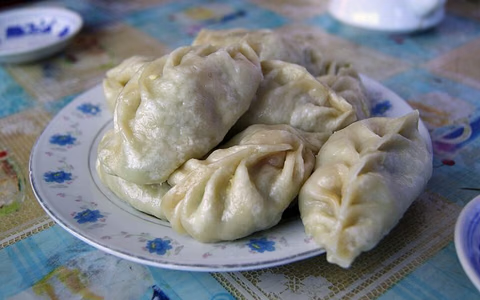 Empires & migration · Central TibetTibetan momoམོག་མོགThick-skinned and steamed in tiers.A Archaeological or primary source · with recipe
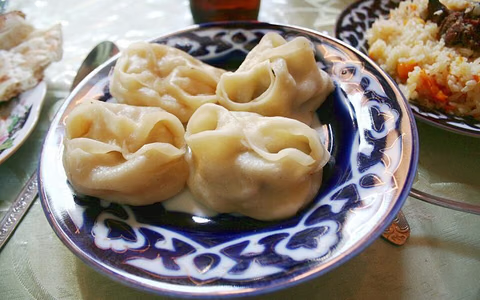 Empires & migration · UzbekistanUzbek mantiмантиSilk Road parcels from the tiered steamer.A Archaeological or primary source · with recipe


Modern & global1900–now
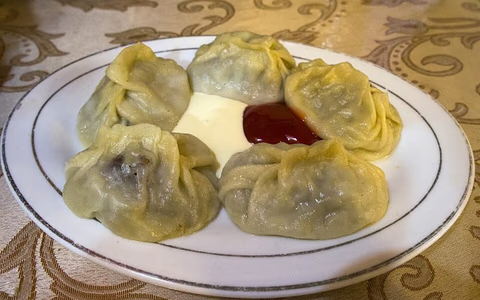 Modern & global · Kazakh–Kyrgyz steppeKazakh/Kyrgyz mantyмәнтіSteamed manty for the feast table.D Dated text · with recipe
- Modern & global · BashkortostanBashkir süsbäräсөсбәрәTiny meat dumplings in broth.A Archaeological or primary source
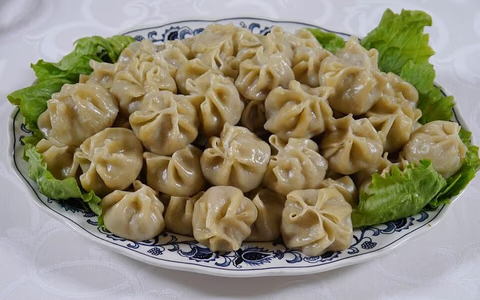 Modern & global · MongoliaBuuzбуузThousands folded for the Lunar New Year.D Dated text · with recipe
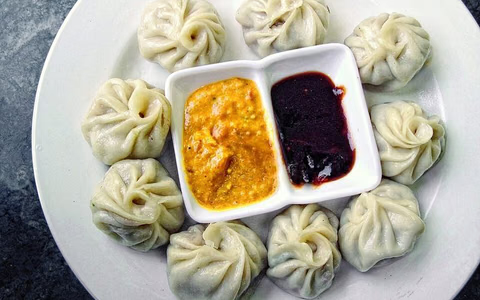 Modern & global · KathmanduNepali momoम:म:Steamed dumplings of spiced meat, the Himalayas’ favourite street food.S Secondary consensus · with recipe


Not dated yet
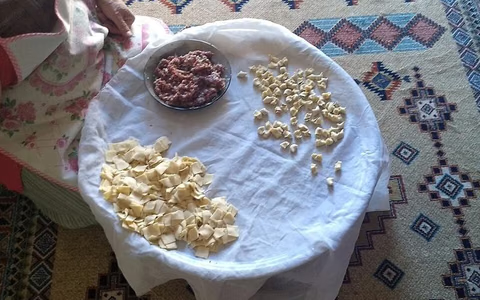 On record since 1973 · KayseriKayseri mantısıTiny meat dumplings under garlic yoghurt and pepper butter.D Dated text · with recipe
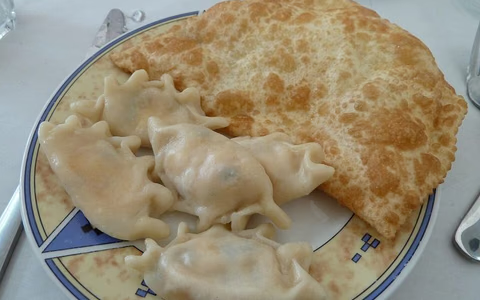 On record since 1979 · CircassiaMatazмэтазэCircassian parcels of potato, cheese or meat.D Dated text · with recipe
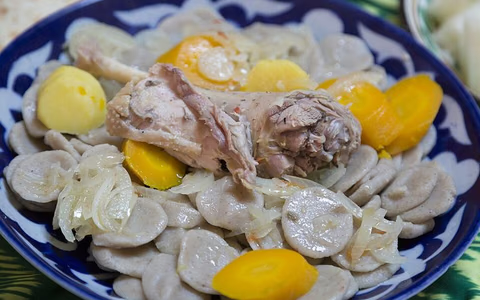 On record since 1958 · KarakalpakstanKarakalpak júweri gúrtikSorghum coins that keep the cook's finger marks.A Archaeological or primary source · with recipe
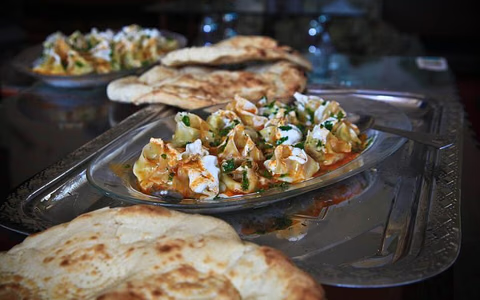 On record since 1972 · AfghanistanAfghan mantuمنتوSmall steamed dumplings under yoghurt and qurma.A Archaeological or primary source · with recipe
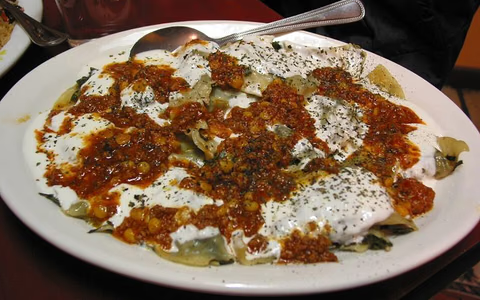 On record since 1972 · AfghanistanAshakآشکLeek dumplings under yoghurt and meat sauce.S Secondary consensus · with recipe


